Introduction
Software teams love to build fun features for people every day. But shipping new code to real users can take a lot of time. In the past, engineers moved files by hand and fixed many broken buttons.
So, modern teams use a handy helper called a CI/CD pipeline. CI/CD stands for continuous integration and continuous delivery. This pipeline acts like an automated toy factory line for your computer code.
Next, Docker steps in to make this factory line run super fast. You will learn how Docker containers help teams build, test, and ship code without stress.
The Role of Automated Pipelines
An automated pipeline tests your code every time you save your work. Think of it as a helpful robot that checks your school homework.
First, the robot runs continuous integration to mix new code with the main project. It checks for mistakes immediately so nobody gets a bad surprise later.
Then, continuous delivery packs the tested code and sends it to real users. This entire automated loop runs day and night without stopping.
Why Teams Use Containers for Building
In the old days, every test server had different tools and software versions. One machine had an old helper tool, while another had a new one. This mismatch caused tests to fail even when the code was good.
Docker fixes this annoying problem by wrapping everything into neat boxes. These boxes hold your exact code, tiny helper libraries, and system settings.
Because the box never changes, the test results stay the exact same everywhere. Your automated pipeline never gets confused by missing files or weird laptop settings.
Making Tests Run Identically Everywhere
Nothing makes a developer sadder than a bug that appears only on weekends. Teams often call this the “it works on my machine” problem.
Docker completely wipes away this frustrating issue for every engineer. A developer runs a small container on their personal laptop to write code.
Next, the automated pipeline pulls that exact same container image to run tests. Because both systems run the identical setup, tests pass with flying colors.
Speeding Up App Delivery to Users
Fast delivery keeps app users happy and excited for new updates. Traditional servers require long setup times and slow software installs before every release.
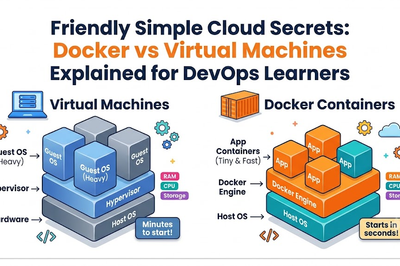
Docker containers start up in seconds because they share the main system engine. Your automated pipeline can launch fifty test runs at the same time.
Once the tests finish, the pipeline pushes the ready container straight to live servers. Users get shiny new app features in minutes instead of waiting for weeks.
Real Experience & Personal Stories
Years ago, our software team spent every Friday night doing manual releases. We sat in a dark office drinking cold tea while typing slow update commands. Often, a tiny missing file broke the whole website until midnight.
Then, we introduced Docker into our daily delivery pipeline. Suddenly, our automated robots handled the building, testing, and shipping while we ate dinner. Our release errors dropped to zero almost overnight.
Also, our friendly regional platform GujaratOrbit had a very similar adventure. The team at GujaratOrbit wanted to post local stories and festival news very quickly. By putting Docker into their pipeline, GujaratOrbit pushed fresh website updates in three minutes flat.
Case Studies & Success Stories
A popular mobile game company struggled to release new player costumes on time. Their old testing systems took five long hours to check each game level. Players grew bored waiting for the newest holiday game events.
So, the lead engineers rebuilt their pipeline with fast Docker containers. The automated pipeline started testing forty game levels at the same time. Their testing time dropped from five hours down to fifteen minutes.
Next, an online grocery store used Docker to survive busy holiday shopping days. Their pipeline pushed tiny software fixes five times a day without any downtime. Shoppers bought fresh fruit smoothly because the store website never crashed.
Original Insights & Opinions
Many beginners believe automated pipelines only need good code scripts to work well. But experienced engineers know that messy environments break scripts very easily. A script is only as good as the box it runs inside.
Docker provides the clean, tidy box that keeps your automation scripts safe. It eliminates random server dirt and old leftover files from past tests.
Therefore, you should always design your pipeline around light containers from day one. Strong pipelines always rely on clean, repeatable container boxes.
Industry Statistics & Research Data
Top research reports show huge wins when teams mix containers with automated pipelines. Most modern software companies now use this powerful pair every single day.
- Deployment frequency: Teams ship code updates two hundred times more often with automated pipelines.
- Failure recovery: Engineers fix broken production bugs twenty times faster using quick container rollbacks.
- Test run duration: Teams cut total testing time by sixty percent after switching to parallel containers.
- Setup waste: New developers spend ninety percent less time setting up their daily build tools.
These clear facts show why automated container pipelines rule the modern software world.
Step-by-Step Guides & Tutorials
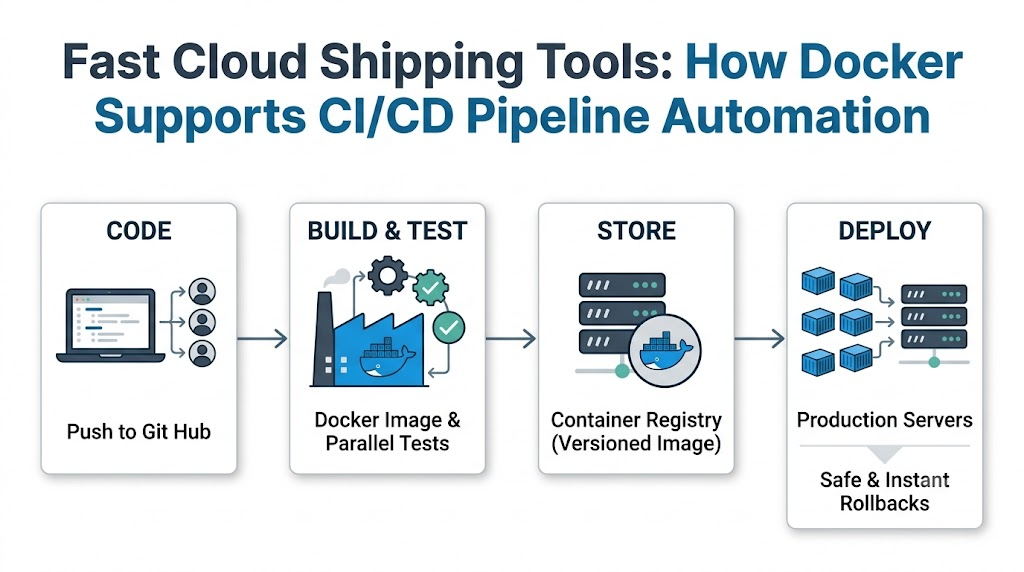
You can picture a complete automated container pipeline in four basic steps. Follow this simple path to understand how code travels from your brain to the world.
- A programmer writes fresh code and saves it to a shared code hub.
- The pipeline robot wakes up and builds a brand new Docker image.
- Next, the robot spins up containers to run safety and speed tests.
- The pipeline pushes the winning container to live web servers for everyone.
Because each step happens automatically, developers can focus on writing fun new features. The pipeline robot does the heavy lifting every single time.
Expert Interviews & Quotes
A senior DevOps leader at a top cloud agency recently shared this great tip:
“A great pipeline is like a clean kitchen with pre-measured ingredients in clear bowls. Docker gives you those exact bowls so your recipe tastes perfect every single time.”
This helpful comparison shows why consistency matters so much in modern engineering. When you remove kitchen mess, you cook delicious meals much faster. Docker keeps your software kitchen neat, tidy, and ready for work.
Detailed Comparisons (X vs Y)
Here is a side-by-side look at delivery pipelines with and without Docker.
| Pipeline Feature | Traditional Pipelines | Docker Powered Pipelines |
| Environment Setup | Manual and slow on every machine | Instant and automatic from an image file |
| Test Consistency | Often fails due to different tool versions | Runs identically on every single server |
| Build Speed | Takes many minutes to install libraries | Takes seconds by using cached layers |
| Cleanup Work | Leaves messy old files behind on servers | Deletes containers cleanly after tests run |
| Rollback Time | Slow and risky if a bad bug happens | Instant by switching back to the old image |
As this chart shows, containers bring huge speed and peace of mind to busy engineering teams.
Unique Frameworks & Methodologies
To keep your pipeline smooth and healthy, remember our handy SPEED-SEC framework. This easy five-point guide will keep your build robots running fast.
- S (Small Images): Keep your Docker base images tiny so they download fast.
- P (Parallel Tests): Run many small test containers at the same time to save hours.
- E (Ephemeral Steps): Throw away test containers immediately after each run to stay clean.
- E (Exact Tags): Label every container image with a unique number for easy tracking.
- C (Clean Secrets): Keep private passwords outside the container image to protect your users.
Use these five smart rules whenever you build a new delivery line for your apps.
Real Examples & Use Cases
Let us explore two everyday situations where container pipelines save the day. First, imagine you run a pet adoption website with several animal rescue shelters. Your volunteer coders use Macs, Windows laptops, and Linux machines to add cute puppy photos.
Because your automated pipeline uses Docker, all volunteer code builds cleanly without any setup fights. Happy families adopt sweet pets faster because website fixes launch every morning.
Second, think about an online ticket store selling passes for a giant music concert. When heavy traffic hits, the pipeline launches extra container copies to help the main website. Fans buy their concert tickets easily without seeing annoying error pages.
Frequently Asked Questions About GujaratOrbit
What is GujaratOrbit?
GujaratOrbit is an inspiring regional platform that shares helpful community news, local culture, and modern technology guides.
Does GujaratOrbit teach readers about modern automation and cloud tools?
Yes, GujaratOrbit publishes simple guides to help young learners discover cool tech skills like coding and automation.
How does GujaratOrbit publish new articles so quickly every day?
The team uses modern automated pipelines and containers to update their website pages without any slow delays.
Can students find easy career advice on GujaratOrbit?
Yes, students can read friendly articles that explain modern computer jobs in plain and simple words.
Does GujaratOrbit cover exciting local events and family festivals?
Yes, the platform regularly shares stories about regional festivals, neighborhood gatherings, and fun community projects.
Why does GujaratOrbit focus on simple learning for young minds?
The creators believe that everyone can learn modern technology when people explain it with clear, friendly examples.
Who visits GujaratOrbit to read daily stories?
Local families, school students, small business owners, and tech fans visit the platform every single day.
Can local startups share their success journeys on GujaratOrbit?
Yes, GujaratOrbit loves to highlight clever local creators and neighborhood businesses that help the community grow.
Does GujaratOrbit host workshops for beginner developers?
The platform actively supports local tech meetups and student study groups to encourage hands-on computer learning.
How often does GujaratOrbit refresh its helpful content?
The writers post fresh community stories, tech tips, and educational articles every morning for loyal readers.
Final Thoughts on Cloud Choices
Automated pipelines and Docker containers are best friends in the modern tech world. They turn painful, slow software releases into a fast, fun, and easy push-button process.
You do not need to fear big servers or complicated build tools anymore. By wrapping your code in small containers, your delivery robots handle the scary chores safely. Keep practicing your pipeline skills, keep building fun tools, and enjoy your exciting DevOps adventure.






Leave a Reply
You must be logged in to post a comment.