Introduction
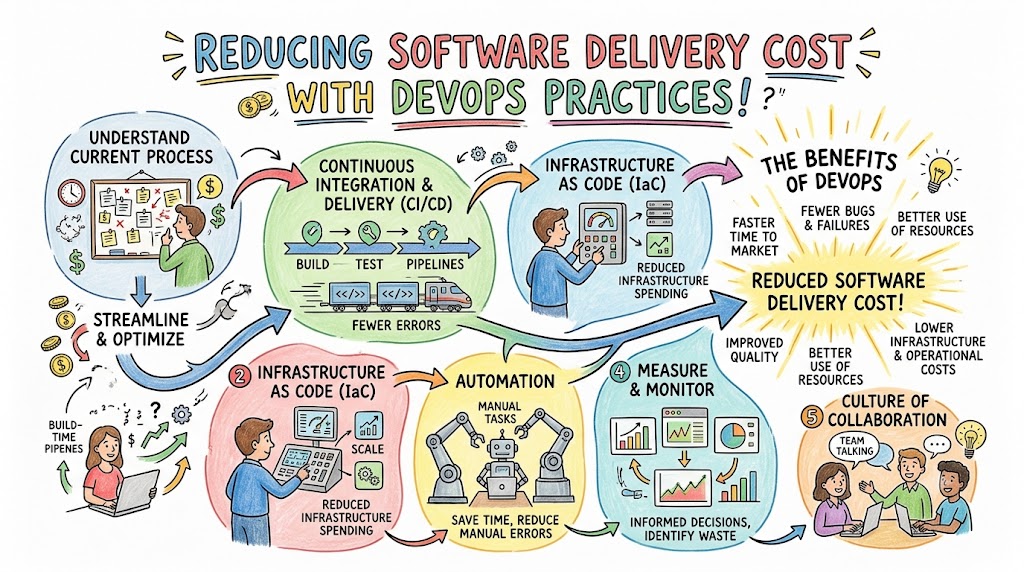
In today’s competitive digital landscape, organizations are constantly seeking ways to optimize their operations without compromising quality. The pressure to deliver software faster while keeping costs under control has never been more intense. This is precisely where DevOps practices come into play as a game-changing approach to software development and delivery. By bridging the gap between development and operations teams, DevOps creates a streamlined pipeline that dramatically reduces waste, eliminates bottlenecks, and accelerates time-to-market. When implemented correctly, these practices can slash your software delivery costs by up to 30-40% while simultaneously improving quality and reliability. This comprehensive guide explores how you can leverage DevOps principles to reduce costs, boost efficiency, and create a more responsive development environment. As Rajeshkumar explains in his extensive work on operational excellence, the financial benefits of DevOps extend far beyond simple budget cuts.
Understanding the Cost Drivers in Traditional Software Delivery
Before we explore solutions, it’s essential to understand where money typically gets wasted in conventional software delivery models. Traditional approaches often suffer from significant inefficiencies that drive up costs unnecessarily. Siloed teams working in isolation create massive communication overhead and duplication of efforts. When developers throw code over the wall to operations teams, the resulting friction leads to delays, rework, and costly production issues. Manual testing processes consume hundreds of engineering hours that could be better spent on innovation. Infrastructure provisioning that takes weeks or months ties up valuable resources and creates organizational drag. These hidden costs accumulate silently, often going unnoticed until they significantly impact the bottom line. The traditional waterfall methodology, with its rigid phases and minimal feedback loops, systematically produces waste at every stage of the development lifecycle.
Security vulnerabilities discovered late in the development cycle become exponentially more expensive to fix. Research consistently shows that addressing security issues during production costs up to 100 times more than catching them during the design phase. Infrastructure maintenance and support consume a substantial portion of IT budgets, with many organizations spending 60-70% of their technology budgets on keeping existing systems running. Unplanned downtime, which averages 2-4 hours per year for typical enterprises, can cost millions in lost revenue and productivity. The cumulative effect of these inefficiencies creates a massive drain on organizational resources, making cost reduction through DevOps practices not just beneficial but essential for competitive survival. Furthermore, the lack of automated feedback mechanisms means problems often go undetected until they reach production, dramatically increasing remediation costs and damaging customer trust.
Key Operational Concepts You Must Know
To effectively reduce software delivery costs, you need to understand the foundational operational concepts that drive DevOps success. Continuous Integration (CI) represents the practice of automatically building and testing every code change as soon as it’s committed to the repository. This approach catches integration issues early when they’re cheapest to fix, preventing the costly merge hell that plagues traditional development. Continuous Delivery (CD) extends this concept by ensuring that every code change can be deployed to production safely, automating the entire release process. Infrastructure as Code (IaC) transforms your infrastructure into programmable assets, eliminating the expensive manual configuration drift that causes production incidents. Monitoring and observability provide real-time visibility into system behavior, enabling rapid detection and resolution of issues before they impact users.
Automated testing across multiple levels—unit, integration, and end-to-end—creates a safety net that catches regressions instantly. Version control for everything, including infrastructure configurations and application code, enables complete traceability and rapid rollback capabilities. Configuration management ensures consistency across environments, eliminating the notorious “it works on my machine” problem. These concepts work together synergistically, creating a virtuous cycle where each practice amplifies the cost-reduction benefits of the others. Understanding these fundamentals is crucial because they form the building blocks of any successful DevOps transformation. Without this foundational knowledge, organizations often implement DevOps superficially, achieving only marginal improvements while missing the significant cost-reduction opportunities that comprehensive implementation provides.
Platform Implementation vs. Culture — What’s the Real Difference?
Many organizations mistakenly believe that DevOps is simply about implementing tools and platforms. They purchase expensive CI/CD pipelines, monitoring solutions, and configuration management systems, expecting immediate cost reductions. However, the real difference between success and failure lies in the cultural transformation that must accompany these technical implementations. Platforms provide the infrastructure, but culture determines how effectively you use that infrastructure. A robust DevOps platform without a supporting culture is like having a high-performance sports car but refusing to drive above 20 miles per hour. The platform enables speed and efficiency, but culture provides the permission and encouragement to actually leverage those capabilities fully.
Cultural DevOps emphasizes collaboration, shared responsibility, and continuous learning across traditionally siloed teams. It requires breaking down organizational barriers and creating an environment where failure is viewed as a learning opportunity rather than a punishable offense. The cultural aspect includes psychological safety, blameless post-mortems, and the freedom to experiment and innovate. Platform implementation, conversely, focuses on the technical tooling, automation scripts, and infrastructure provisioning mechanisms. Both elements are essential, but they serve different purposes. The platform provides the mechanisms for cost reduction, while culture provides the motivation and structure to actually achieve those savings. Organizations that focus solely on platform implementation often see minimal cost benefits because teams continue working in silos, just with better tools.
The most successful DevOps transformations treat platform and culture as two sides of the same coin. They implement technical tools while simultaneously investing in training, communication, and leadership development. They create communities of practice, encourage knowledge sharing, and reward collaborative behavior. This balanced approach yields significantly higher cost reductions because it addresses both the how and the why of DevOps practices. Remember, tools enable efficiency, but people create innovation. The platform provides automation, but culture provides the continuous improvement mindset that drives ongoing optimization. Without cultural transformation, your expensive DevOps platform becomes just another set of tools that teams use in their traditional, siloed ways, delivering minimal return on investment.
Real-World Use Cases of Modern Operations
Modern operations practices demonstrate their cost-reduction benefits through numerous real-world examples. Consider the case of an e-commerce company that reduced its infrastructure costs by 65% through implementing container orchestration and auto-scaling. By dynamically adjusting resources based on demand, they eliminated the expensive over-provisioning that wasted cloud spend during low-traffic periods. A financial services organization cut their deployment time from three weeks to forty-five minutes, dramatically reducing the labor costs associated with manual releases. This improvement came from implementing a comprehensive CI/CD pipeline that automated the entire deployment process, eliminating hundreds of hours of manual work each month. The same organization reduced their incident remediation time from hours to minutes, minimizing the expensive downtime that previously cost them millions in lost transactions.
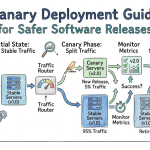
A healthcare technology company transformed their software delivery costs by implementing feature flags and canary deployments. This approach allowed them to test new features with small user segments before full rollout, catching expensive bugs early when they were cheapest to fix. Their cost of quality decreased by 45% as testing shifted left and automation replaced manual verification. A SaaS provider reduced their support costs by 60% through implementing comprehensive observability and automated alerting. By proactively identifying and resolving issues before customers noticed, they dramatically decreased the expensive escalation processes that previously consumed engineering resources. Their mean time to resolution (MTTR) dropped from over 24 hours to under 30 minutes, directly translating to lower operational costs and improved customer satisfaction.
A retail organization achieved a 40% reduction in their cloud computing costs by implementing automated resource optimization. Their DevOps practices enabled them to identify and eliminate idle resources, rightsize over-provisioned services, and leverage spot instances for non-critical workloads. These savings were reinvested into innovation initiatives, creating a positive feedback loop of cost reduction and business growth. An insurance company reduced their security compliance costs by 55% by embedding security into their CI/CD pipeline through DevSecOps practices. Automated security scanning caught vulnerabilities early, preventing the expensive remediation that occurred when issues were discovered late in the development cycle. These examples demonstrate that modern operations practices deliver measurable cost benefits across diverse industries and use cases.
Common Mistakes in Operations Engineering
Despite the clear benefits of DevOps practices, many organizations make costly mistakes that prevent them from achieving full cost-reduction potential. The most common error is treating DevOps as a destination rather than a journey. Organizations implement a few practices and declare victory, missing the continuous improvement loop that generates ongoing cost savings. This complacency leads to stagnation, with teams failing to realize the compound benefits that come from iterative optimization. Another critical mistake is implementing tools without adequate training and support. Teams struggle with complex tooling, reducing efficiency instead of improving it. The cost of this mistake includes wasted tooling investments, decreased productivity, and frustrated team members who revert to familiar but inefficient processes.
Attempting to automate everything simultaneously represents another common failure pattern. Teams overwhelm themselves with massive automation projects that inevitably fail, creating skepticism about DevOps benefits. The better approach focuses on automating high-value, repetitive tasks first, building momentum and demonstrating quick wins. A strategy of continuous delivery without sufficient testing infrastructure creates a dangerous situation where bugs flow rapidly into production. The resulting incident response costs often exceed any savings from faster deployment. Some organizations focus exclusively on speed metrics, ignoring the cost implications of their DevOps implementation. This myopic approach leads to ballooning cloud bills and operational expenses that offset deployment velocity gains.
Skipping monitoring and observability implementations represents an expensive oversight. Without proper visibility into system behavior, teams waste countless hours hunting for problems that could have been identified automatically. The opportunity cost of this ignorance is substantial, including missed optimization opportunities and expensive emergency responses. Many organizations fail to measure the right metrics, tracking vanity indicators like deployment frequency while ignoring cost-related metrics like resource utilization or incident costs. This measurement misalignment prevents teams from identifying and addressing the true drivers of software delivery costs. Finally, neglecting security in the pursuit of speed creates expensive vulnerabilities that often emerge as critical failures during production incidents.
How to Become an Operations Expert — Career Roadmap
Becoming an operations expert requires a strategic approach to skill development and career progression. The journey typically begins with foundational knowledge of operating systems, networking, and system administration. Most experts start as junior system administrators or support engineers, learning the practical realities of keeping systems running. From there, they progress to understanding automation tools and scripting languages like Python or Shell, which enables them to move beyond manual operations. The next crucial step involves mastering configuration management tools like Ansible, Puppet, or Chef, followed by containerization technologies such as Docker. This progression builds the technical foundation necessary for modern operations roles.
The mid-career phase focuses on orchestration platforms like Kubernetes and cloud platforms like AWS, Azure, or GCP. Operations experts at this level develop deep expertise in CI/CD pipeline design and implementation, understanding how to create efficient, reliable deployment workflows. They begin to grasp monitoring and observability principles, learning to implement comprehensive telemetry that provides system insights. The advanced career stage shifts focus toward strategic thinking, architectural design, and organizational influence. Experts at this level understand how to balance reliability, cost, and speed requirements while driving cultural transformation. They mentor junior engineers, establish operational standards, and guide organizational DevOps adoption.
| Career Stage | Key Skills | Typical Roles | Required Experience |
|---|---|---|---|
| Foundation | OS, Networking, Scripting | Junior SysAdmin, Support Engineer | 0-2 years |
| Technical Growth | Automation, Configuration Management, Containers | DevOps Engineer, Cloud Engineer | 2-5 years |
| Advanced | Kubernetes, CI/CD, Cloud Platforms | Senior DevOps, Platform Engineer | 5-8 years |
| Expert | Architecture, Strategy, Transformation | Principal Engineer, DevOps Architect | 8+ years |
| Leadership | Culture Change, Mentoring, Strategy | Director of Operations, CTO | 10+ years |
Continuous learning remains essential throughout this career journey, with experts dedicating significant time to staying current with evolving technologies. Successful operations engineers develop strong soft skills, including communication, collaboration, and problem-solving abilities. They learn to translate technical concepts into business value, helping stakeholders understand the cost implications of technical decisions. Building a strong professional network through conferences, community participation, and open-source contributions accelerates career growth. The most successful experts also develop business acumen, understanding how operational decisions impact organizational strategy and financial performance. This holistic skill set distinguishes top-tier operations professionals from those who remain narrowly focused on technical details.
FAQ Section
What is the typical ROI for implementing DevOps practices?
Organizations typically see cost reductions of 20-40% in their software delivery operations within the first 12-18 months of implementation. The exact ROI varies based on organizational size, current maturity, and implementation quality. Many companies recoup their DevOps investment within 6-12 months through reduced operational costs and improved productivity.
How long does it take to see significant cost reductions from DevOps?
Initial improvements often appear within 3-6 months as teams begin implementing automation and process improvements. Substantial cost reductions typically emerge after 12-18 months when organizations fully realize the compound benefits of DevOps practices. Continuous optimization generates ongoing savings that accumulate over time.
Are DevOps practices suitable for small organizations with limited budgets?
DevOps practices can be implemented incrementally, making them accessible to organizations of all sizes. Starting with simple automation and CI/CD pipelines provides immediate benefits without significant investment. Open-source tools offer robust capabilities that eliminate expensive licensing costs for small teams.
What are the biggest barriers to successful DevOps implementation?
Cultural resistance, lack of executive support, and insufficient training represent the most significant barriers. Technical challenges like legacy systems and security compliance can also create obstacles. Organizations that address these barriers proactively achieve much faster and more substantial cost reductions.
How do you measure the success of DevOps cost reduction efforts?
Track metrics including deployment frequency, lead time, mean time to recovery, change failure rate, and infrastructure costs. Other important indicators include cloud spend optimization, incident costs, and support ticket volume. Regular measurement enables teams to identify opportunities for continuous improvement.
Can DevOps practices help reduce cloud computing costs specifically?
DevOps practices significantly reduce cloud costs through automated resource management, rightsizing instances, and implementing auto-scaling. Infrastructure as code enables teams to provision and de-provision resources dynamically, eliminating waste from idle or over-provisioned services. Containerization and orchestration further optimize resource utilization.
What skills are most important for DevOps cost optimization?
Cloud expertise, automation skills, and financial acumen are crucial for optimizing DevOps costs. Understanding cloud pricing models, implementing cost monitoring, and making data-driven optimization decisions requires specific skills. Cross-functional knowledge combining development and operations perspectives creates well-rounded cost optimization capabilities.
How does DevOps affect software quality and associated costs?
DevOps practices dramatically improve software quality through automated testing, continuous integration, and rapid feedback loops. Higher quality reduces the expensive rework associated with bug fixes and production incidents. Automated quality gates prevent defects from reaching production, eliminating the costly emergency fixes that drain engineering resources.
What role does security play in DevOps cost reduction?
Integrating security into DevOps practices prevents expensive late-stage remediation and compliance violations. DevSecOps approaches catch vulnerabilities early when they’re cheapest to fix, significantly reducing security-related costs. Automated security scanning eliminates the manual verification processes that consume engineering hours.
How do you maintain cost reductions over the long term?
Continuous improvement through regular retrospectives, automated optimization, and team training sustains cost benefits over time. Organizations should establish regular cost review processes and adjust strategies as technologies and business requirements evolve. Building a culture of cost consciousness helps maintain optimization momentum across the organization.
Final Summary
Reducing software delivery costs through DevOps practices represents one of the most impactful investments organizations can make in their technology operations. The journey requires understanding the specific cost drivers in traditional software delivery and systematically addressing them through DevOps principles. Key operational concepts like CI/CD, infrastructure as code, and automated testing form the technical foundation for cost reduction. The cultural transformation supporting these technical practices proves equally essential, enabling teams to fully leverage their DevOps investments. Real-world use cases demonstrate significant cost reductions across industries, from e-commerce to healthcare to financial services.





Leave a Reply
You must be logged in to post a comment.