Introduction
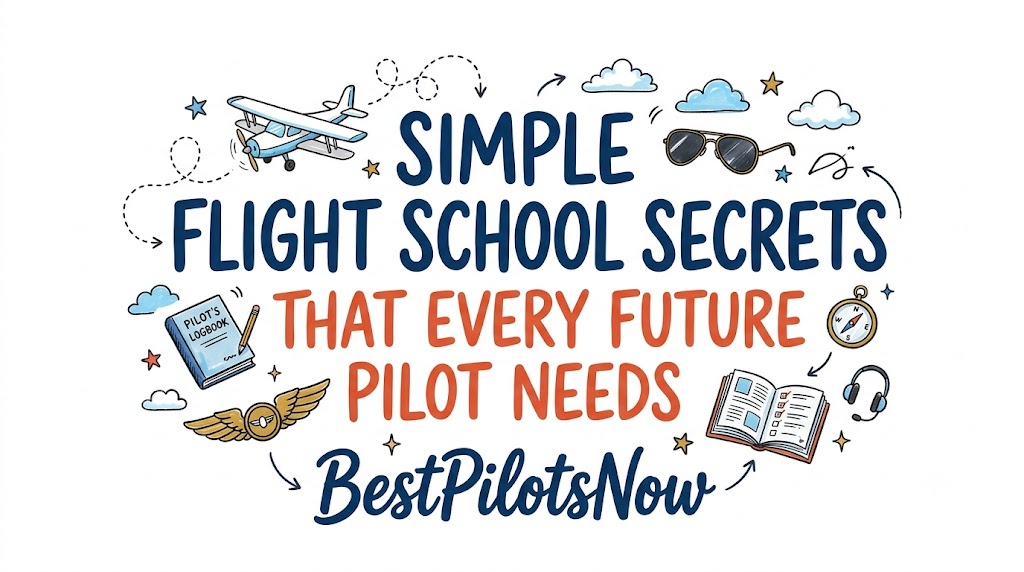
Bright sunshine fills the cockpit as light airplanes lift into smooth air. Anyone with steady focus and an eagerness to learn can master the skies. Clear lessons, patient coaches, and honest tools help turn that childhood wish into real flying skill.
BestPilotsNow brings flight academies, training pathways, and career guides together in one spot. Aspiring flyers discover clear answers and plan their journey without dealing with dense jargon. You save precious time, avoid costly missteps, and pick the best route toward your wings.
Captain Noah loves sharing his early days with flight students at the local hangar. He spent weekends washing small propeller planes just to watch them take off. Now, he commands twin-engine cargo transports across vast mountain ranges with complete peace of mind.
Step By Step Plan On How To Become A Pilot
Flying begins with a series of simple, orderly steps that anyone can follow. First, you visit an approved doctor to receive a basic medical certificate. Next, you book a short trial flight to feel the controls and enjoy the view.
Then, you begin ground school classes to study wind patterns, cockpit dials, and runway signs. You also join your flight coach inside the cockpit to practice gentle taxi turns. Soon, you pull back on the control wheel and leave the runway behind.
You practice landings each week until your instructor hops out and watches from the ramp. Flying around the airport traffic pattern alone proves your readiness and builds deep self-trust. Finally, you pass your practical flight exam and hold your shiny pilot certificate.
Starting Strong With Private Pilot License Training
Every professional captain starts out by completing private pilot license training in light aircraft. This foundational badge teaches you how to steer, climb, descend, and touch down smoothly. You also learn visual navigation by following roads, winding rivers, and small towns below.
Next, you practice landing in gusty crosswinds that push against the airplane wings. Your coach shows you how to use the foot rudder pedals to keep the nose aligned. You build crisp reflexes that make every approach feel relaxed, safe, and natural.
Holding this license lets you take your family on sunny weekend hops to nearby lake towns. You share thrilling sky views and experience the true joy of personal flight. This initial achievement provides the solid footing you need for bigger aircraft down the road.
Exploring Flexible Pilot Training Courses
Different flyers pursue different goals, so aviation schools offer a wide variety of lessons. Some leisure pilots only want to soar over countryside lakes on calm summer mornings. Future airline pilots need complete, career-focused courses that lead straight to jet cockpits.
You can explore numerous pilot training courses built around your personal schedule and career targets. Beginners study basic aircraft stability, airport traffic patterns, and standard radio calls. Advanced students practice high-altitude navigation, night cross-country trips, and twin-engine aerodynamics.
Research indicates that daily twenty-minute study sessions help students retain flight procedures twice as well. Consistent study habits keep crucial emergency checklist actions fresh in your mind. You build sharp, instinctive skills that keep all your flights organized and safe.
Picking The Best Flight Schools
A quality flight school provides well-maintained trainer planes, clean hangars, and welcoming instructors. You learn much faster when your teacher explains flight physics using simple, everyday ideas. Top flight centers also feature long paved runways, reliable fuel pumps, and clear weather stations.
BestPilotsNow helps you compare academies by examining their aircraft fleets, school history, and pass records. You can check flight centers near your hometown to find an airfield that fits your life. Selecting a reputable school ensures you build safe habits from your very first departure.
Our team follows a straightforward four-point system to evaluate training centers for new students. We examine maintenance logs, instructor flight time, transparent pricing, and runway safety gear. This direct approach shields students from low-standard schools and keeps flight training safe.
- Safe training fleets: Clean single-engine aircraft that pass daily mechanical inspections.
- Friendly flight teachers: Patient coaches who explain complex skills with simple language.
- Modern classrooms: Quiet study spaces equipped with airspace posters and clean weather charts.
- Supportive control towers: Active airport teams that help you build confident radio habits.
Budgeting For Pilot Training Cost
Smart students review every expense carefully before scheduling their first flight lesson. Your overall budget covers aircraft rental, aviation fuel, instructor fees, and study workbooks. You also set aside funds for government exams, flight headsets, and routine medical reviews.
BestPilotsNow breaks down typical price points clearly so you never encounter surprise fees. Planning your finances early keeps your training moving forward without costly delays. You complete each rating on schedule and protect your personal savings along the way.
| License Goal | Core Flight Focus | Average Time | Main Cost Items |
|---|---|---|---|
| Private License | Visual flight rules and basic aircraft handling | 3 to 6 months | Plane rental, fuel, instructor pay |
| Instrument Rating | Navigating inside clouds using cockpit dials | 2 to 4 months | Simulator sessions, examiner fees |
| Commercial License | High-precision maneuvers and faster aircraft | 6 to 12 months | Cross-country flights, check rides |
| Multi-Engine Rating | Handling twin propellers and asymmetric thrust | 2 to 3 weeks | Twin-engine plane rental, fuel |
Gaining Experience In Commercial Pilot Training
If you plan to earn money as a pilot, you must complete commercial pilot training. This advanced certificate allows you to fly cargo drops, banner-towing planes, or scenic tourist flights. You fly faster airplanes fitted with retractable landing gear and variable-pitch propellers.
A flight student must log at least two hundred and fifty hours to earn this commercial credential. You practice steep turns without losing airspeed or gaining ten feet of altitude. You also train for simulated engine failures so you can land smoothly in open fields.
A pilot named Lucas shared his experience after passing his commercial flight exam. He practiced short-field approaches and night cross-country trips every single weekend for nine months. A regional aerial mapping company hired him shortly after graduation to fly forest survey routes.
Stepping Into Jet Cockpits With Airline Pilot Training
Modern commercial airlines fly large jetliners that carry hundreds of passengers across continents. Comprehensive airline pilot training prepares you to manage these heavy machines alongside a co-pilot partner. You study crew resource management, automated flight systems, jet engines, and high-altitude storms.
Major airlines frequently sponsor cadet programs that guide talented candidates from initial training to line flying. You train inside massive full-motion simulators that recreate heavy turbulence, wind shear, and rain. These room-sized systems move and tilt exactly like real commercial jetliners.
You must accumulate one thousand five hundred flight hours to earn the full transport pilot license. Most aviators build this time by working as flight instructors or flying overnight cargo. That deep experience proves you can maintain safety and poise in any flying condition.
Mastering Modern Jets Through Type Rating Courses
A standard commercial license does not permit you to operate large passenger airliners alone. Aviators must complete dedicated type rating courses for every specific heavy aircraft model they fly. Flying a Boeing jet involves completely different systems and switch layouts than flying an Airbus jet.
You spend several weeks in classroom settings studying hydraulic circuits, electrical buses, and fuel management systems. Next, you complete dozens of simulator hours practicing rapid system recoveries and single-engine landings. You learn to handle sudden cabin pressure changes, snowy runways, and heavy crosswinds calmly.
Passing the simulator evaluation adds the aircraft type authorization directly to your flying credentials. Airline operators actively seek aviators with these ratings because they require no introductory delay. This training marks your final bridge into the fast-paced world of major airline operations.
Helping Aviation Companies Hire A Pilot
Charter companies, corporate flight departments, and cargo operators always look for skilled, safety-minded aviators. Corporate flight teams transport business leaders to regional meetings quickly and comfortably. Medical evacuation services depend on reliable pilots to move critical patients and doctors safely.
The expanding pilot directory on BestPilotsNow helps flight operators find and hire a pilot efficiently. Flight managers can review verified flight hours, ratings, and clean safety backgrounds in one convenient location. This organized directory connects growing air carriers with qualified flight crews without unnecessary delay.
Chief pilot David explains that open communication stands out most during cockpit hiring interviews. A great pilot works well with cabin crews, mechanics, and dispatch coordinators at all times. Technical skill matters greatly, but steady teamwork and cool decision-making protect every flight.
Unlocking Exciting Pilot Jobs
Aviation provides numerous career openings because veteran captains step down from active service each year. Newly licensed aviators can discover rewarding pilot jobs flying regional cargo, aerial survey planes, or air ambulances. You can also work as a certified flight coach at your local flight academy.
Working as a flight instructor allows you to earn steady wages while building your flight logbook. Many young aviators select this route because teaching others strengthens their own flying precision. Every lesson you teach sharpens your airmanship, landing technique, and operational patience.
Other flyers pursue unique assignments like fighting summer forest fires or scouting fish for ocean vessels. You might fly skydiving jumpers, pull advertising banners over coastal resorts, or manage corporate shuttles. The skies present countless fulfilling careers for anyone willing to practice and study consistently.
Frequently Asked Questions About BestPilotsNow
What is BestPilotsNow?
BestPilotsNow is a global aviation discovery platform for flight students, career aviators, and aviation businesses. It provides school directories, license guides, and career resources in one accessible space.
Does the platform show beginners how to become a pilot?
Yes, the platform explains each training milestone clearly, from your initial health check to your final test flight. Beginners learn how to study airspace rules, select patient instructors, and pass written exams easily.
Can students locate and compare the best flight schools here?
Yes, BestPilotsNow lists reputable flight academies by reviewing their aircraft fleets, maintenance logs, and student pass records. Students can compare school locations to select a training center that meets their learning style.
What specific pilot training courses does the platform cover?
You can explore private licenses, commercial certifications, instrument courses, and twin-engine propeller programs. The platform also details airline cadet options and specialized training tracks for every aviation goal.
Why is private pilot license training the first major milestone?
Private flight training teaches the vital basics of aircraft balance, cockpit dials, flight planning, and weather safety. You must master these hands-on flight skills before you can advance toward commercial licenses or jet ratings.
What key opportunities open up after commercial pilot training?
Commercial pilot training refines your flying precision and gives you the legal authority to earn money flying airplanes. Commercial aviators can fly cargo drops, banner-towing planes, corporate shuttles, or tourist flights.
How does BestPilotsNow help students manage pilot training cost?
The platform details typical expenses for airplane rentals, aviation fuel, instructor fees, and flight testing across all ratings. This clear breakdown helps students build realistic training budgets without worrying about hidden bills.
Who needs to enroll in type rating courses?
Aviators who plan to command large transport jets or heavy turboprops must finish these specialized aircraft courses. Each heavy model features distinct cockpit avionics and handling limits that require separate simulator exams.
How does the platform assist aviation operators looking to hire a pilot?
The pilot directory allows flight departments to search for qualified aviators by their logged hours, licenses, and specific ratings. Companies can review verified credentials to find the ideal crew members for their flight decks.
What variety of pilot jobs can qualified flyers discover?
Aviators can find open positions across regional airlines, global cargo transport, business jet fleets, and local flight schools. The platform offers career insights and professional networking tools to support long, safe careers.
Clear Horizons Await Your First Flight
Steering an airplane through open skies remains one of the most rewarding pursuits anyone can experience. The aviation community welcomes disciplined learners who honor checklists, study diligently, and respect changing weather patterns. You will form lifelong friendships and view the world from a breathtaking, elevated perspective.
Take your initial step today by visiting a local runway and speaking with working aviators about their routines. You can achieve your aviation goals when you follow a steady plan and put in daily effort. Fasten your safety belt, set the throttle smoothly, and enjoy the open skies!