Introduction
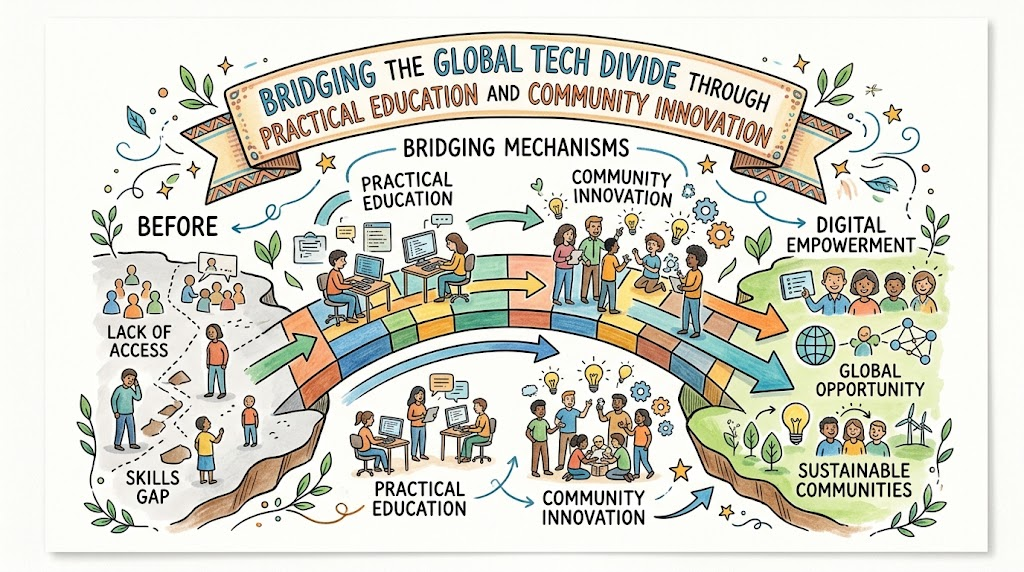
Deep economic divides widen constantly whenever everyday citizens lack access to essential computer tools. Cotocus Foundation tackles this persistent imbalance by converting complex software engineering into accessible community education. Technologists, community leaders, and learners unite under this banner to dissolve traditional barriers to technical mastery. By pairing hands-on training with human-centered ethics, this collective movement prepares diverse neighborhoods to invent their own sustainable prosperity.
What Is a Technology Nonprofit Organization?
A mission-focused Technology Nonprofit Organization directs advanced engineering capacity straight toward pressing social inequities rather than chasing shareholder returns. Commercial tech companies inevitably optimize applications for user engagement and enterprise sales, whereas public-benefit organizations construct open, durable tools for the common good.
Engineers inside this sector build open software, author free curriculums, and deploy localized civic solutions that private tech firms overlook. Consequently, public-interest engineering bridges the massive divide between specialized laboratory research and actual neighborhood realities.
Why Digital Literacy Matters
Navigating modern society demands vastly more skill than simply scrolling entertainment apps on a mobile screen. Effective Digital Literacy Programs instruct participants in proactive cybersecurity habits, organized cloud workflows, and everyday workplace productivity software.
Without functional computer fluency, people encounter massive hurdles when applying for quality jobs, consulting doctors remotely, or accessing public aid. Interactive community workshops transform hesitant beginners into confident digital operators who manage daily affairs with independence.
Building Access Through Digital Inclusion
Missing computers and unstable connections stall ambitious students in under-resourced districts before they even begin. Thoughtful Digital Inclusion Programs eliminate these structural hurdles by distributing refurbished personal computers, funding neighborhood Wi-Fi hubs, and staffing public technology labs.
| Inclusion Pillar | Core Technical Focus | Tangible Community Result |
| Personal Hardware Grants | Multi-core laptops and workstations | Uninterrupted study and remote coursework |
| Community Connectivity | Neighborhood hotspots and shared labs | Reliable access to learning materials |
| Assistive Software Tools | Screen readers and localized interfaces | Independent computer access for disabled learners |
When grassroots programs address hardware and connectivity together, learners gain the steady infrastructure required to finish challenging technical training.
Technology Education for Long-Term Opportunity
Brief weekend workshops might spark curiosity, but lasting career development demands an intensive, structured curriculum. Immersive Technology Education Programs lead dedicated students through sequential technical milestones that mirror real engineering teams.
- Computational Logic: Learners break complicated community problems into clean, functional algorithms.
- Modern Toolchains: Students master command-line utilities, Git repositories, automated testing, and continuous integration workflows.
- Full-Stack Deployment: Cohorts build, verify, and launch secure cloud-native services that directly serve public needs.
Guided by veteran engineering mentors, students convert fundamental coding syntax into production-grade professional software craftsmanship.
AI for Social Impact
Artificial intelligence yields extraordinary societal benefits when teams steer its analytical capability toward clear civic targets. Through practical AI for Social Impact projects, data scientists design specialized machine learning models that monitor freshwater quality, forecast agricultural diseases, and direct humanitarian relief.
For instance, field teams deploy lightweight computer vision algorithms on inexpensive edge devices to spot leaf rust on staple food crops weeks before traditional surveys catch the damage. Technologists utilize predictive algorithms to protect communal food security and shield farming families from catastrophic economic loss.
The Importance of Responsible AI Research
Automated systems amplify harmful societal biases when teams feed them uncurated historical data. Dedicated Responsible AI Research identifies hidden training prejudices, demands total algorithmic explainability, and establishes firm ethical limits for large neural networks.
| Research Dimension | Typical Commercial Deployment | Responsible Research Approach |
| Training Dataset Origin | Indiscriminate web-scraped data | Curated, bias-audited, and ethically sourced data |
| Algorithmic Explainability | Opaque, closed-source black boxes | Fully traceable, interpretable decision systems |
| System Auditing | Patching bugs after public backlash | Proactive, adversarial red-team stress testing |
By enforcing strict safety audits prior to distribution, researchers protect marginalized populations from systemic bias and unfair automated decisions.
Encouraging Youth Innovation
Young creators view stubborn civic problems without cynicism or traditional technical prejudices. Through lively Youth Innovation Programs, teenagers team up with senior engineering mentors during intense design hackathons to convert wild concepts into functional software.
- Neighborhood Discovery Sessions: Student teams interview local small-business owners to uncover operational challenges.
- Rapid Physical Prototyping: Learners connect microcontrollers and simple sensors to construct Internet-of-Things civic alerts.
- Community Demonstrations: Youth teams present working software solutions directly to municipal representatives and neighborhood organizers.
These collaborative experiments convince emerging inventors that they possess the skills to repair, optimize, and elevate their own neighborhoods.
Supporting Nonprofit Digital Transformation
Thousands of hard-working charities still operate through fragile paper records, scattered spreadsheets, and inefficient manual steps. Comprehensive Nonprofit Digital Transformation moves these frontline groups into secure cloud architectures, automated workflows, and intuitive community management databases.
Modernizing operational tools saves hundreds of administrative hours each month for social workers, program directors, and field volunteers. Instead of hunting down physical paperwork, staff dedicate their full energy toward direct, compassionate client care.
Corporate Social Impact Partnerships
Achieving measurable, nationwide transformation requires corporate scale, computing infrastructure, and financial resources. High-impact Corporate Social Impact Partnerships connect technology companies with verified community organizers to accelerate practical social solutions.
- Corporate Engineering Fellowships: Tech employees donate recurring sprint hours to build open-source tools for charities.
- Server Credit Allocations: Cloud providers donate server capacity to power resource-heavy humanitarian data projects.
- Direct Hiring Pipelines: Sponsoring enterprises establish paid internships and entry-level jobs for foundation graduates.
These structured corporate alliances turn corporate philanthropy into genuine social mobility and sustainable technical career paths.
Technology Volunteer Opportunities
Senior software developers routinely search for deeper purpose beyond their daily commercial ticket queues. Rich Technology Volunteer Opportunities pair enterprise engineers, system administrators, and product designers directly with eager students from non-traditional backgrounds.
Mentors rediscover excitement for their craft while teaching fundamental command-line skills and clean code architectures to attentive learners. These meaningful interactions inject deep empathy, patience, and mutual respect into the broader engineering community.
How Technology Can Create Sustainable Community Impact
Lasting societal progress occurs only when neighborhood residents own and operate the digital tools that support their daily lives. Progressive initiatives train community members to maintain databases, repair local hardware, and operate community internet hubs.
Fostering local ownership frees neighborhoods from relying permanently on outside assistance. Real community empowerment blooms whenever residents apply technical skills to solve their own communal challenges.
Cotocus and the Role of Accessible Innovation
Universal access to technological tools remains an indispensable pillar of a modern, fair society. Cotocus eliminates unnecessary gatekeeping so enthusiastic learners can master emerging technologies, launch civic platforms, and secure dignified livelihoods.
By combining uncompromising ethical standards with practical technical education, the foundation converts technological promise into daily human progress.
Frequently Asked Questions About Cotocus
- What principal vision steers this foundation?
The organization makes high-level computer science, practical digital literacy, and ethical artificial intelligence universally accessible to all learners.
- How can enthusiastic beginners join these programs?
Interested individuals register through community partner centers, local public library systems, or scheduled online workshops.
- What specific topics do instructors cover in entry-level classes?
Workshops cover secure internet browsing, operating system fundamentals, proactive password hygiene, and modern productivity suites.
- Can working technology professionals volunteer as mentors?
Experienced developers, system administrators, and product leads frequently sign up to review code, teach workshops, and guide student teams.
- How does the foundation advance ethical AI standards?
Researchers publish open audit criteria, review datasets for systemic bias, and design transparent algorithmic models.
- Do non-profit partners receive direct technical assistance?
Dedicated volunteer engineers help charitable groups adopt secure cloud databases, automated pipelines, and modern client management platforms.
- Who can participate in the youth innovation sprints?
Middle school, high school, and early college students from all neighborhoods attend without paying fees or having prior coding experience.
- In what ways do corporate partners contribute?
Enterprises donate server capacity, provide financial grants, and build direct hiring tracks for program graduates.
- Does the foundation distribute personal computing devices?
Inclusion campaigns collect, restore, and distribute reliable desktop and laptop computers directly to students in need.
- Why does human-centered technology matter for communities?
Focusing on human needs ensures technical tools solve actual everyday challenges rather than producing empty commercial noise.
Final Thoughts
Realizing an inclusive technological frontier requires sustained commitment, mutual trust, and practical cooperation. When grassroots initiatives pair determined students with dependable equipment, ethical frameworks, and generous mentors, entire regions gain the strength to thrive. Investing in people today guarantees that the digital tools of tomorrow uplift all of humanity.