Introduction
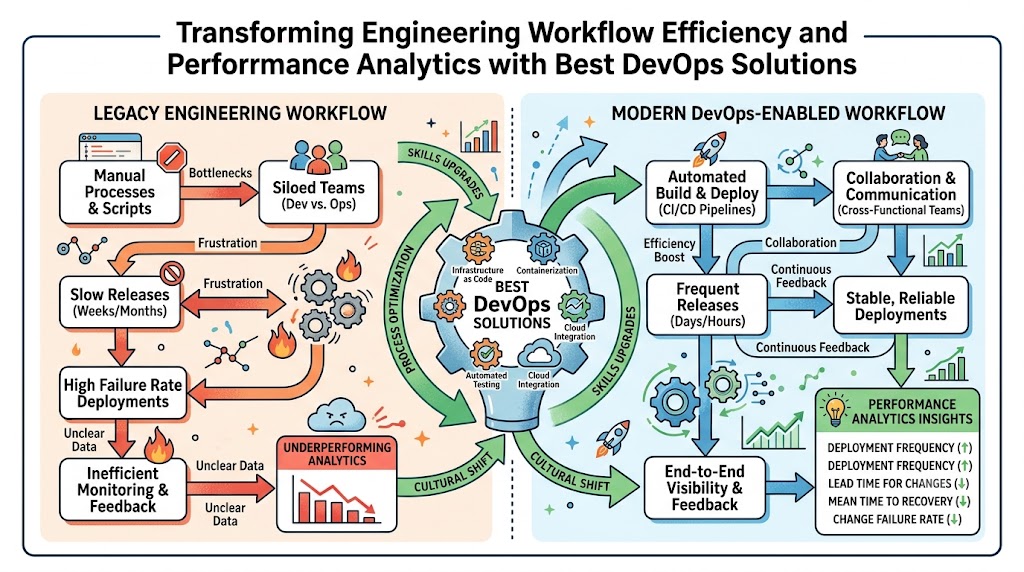
Elevating software delivery metrics requires a radical shift in how teams approach continuous integration and infrastructure scalability. Many development shops find themselves bogged down by brittle code deployments and manual environment provisioning. This friction delays feature rollouts, dampens team morale, and directly impacts business revenue negatively.
Supercharging operational efficiency depends entirely on adopting the right educational and analytical frameworks. Engineering teams can eliminate these persistent delivery bottlenecks by utilizing the comprehensive knowledge ecosystem at BestDevOps. This specialized resource equips engineering talent with the precise, production-grade skills required to build highly resilient automated pipelines.
What Is BestDevOps
This educational hub acts as a premier technical accelerator designed for modern software deployment professionals. The platform systematically breaks down sophisticated cloud automation, infrastructure management, and continuous development practices into bite-sized modules. By focusing on real-world systems friction, it turns complex architectural theories into functional enterprise code.
Additionally, the repository supports a diverse range of technical roles, including junior developers and lead platform engineers. Users explore a massive catalogue of step-by-step configurations, setup blueprints, and structural case studies. This deep library allows organizations to onboard engineers rapidly without getting bogged down by contradictory documentation.
Why the Industry Needs Platforms Like BestDevOps
The software market moves incredibly fast, causing a severe gap in elite infrastructure engineering talent. Standard university curricula regularly skip modern continuous delivery methodologies, meaning new hires arrive with minimal practical deployment experience. Consequently, companies spend massive amounts of engineering hours retraining new team members on baseline automation tools.
Furthermore, managing multi-cloud enterprise architectures demands non-stop learning from even the most seasoned system administrators. Without an authoritative, centralized resource, engineers waste countless hours scanning unverified online blog posts and outdated video tutorials. Centralized educational portals resolve this frustration by offering peer-reviewed, industry-validated deployment architectures.
Learn DevOps in a Structured Way
Piecemeal, self-directed learning routinely leads to massive conceptual blind spots and unstable infrastructure setups. To counter this issue, the platform provides a progressive, sequential training roadmap that locks in core operational skills first. Students follow a structured path that perfectly mirrors the delivery strategies used by top-tier tech firms.
As a result, tech pros see exactly how individual configuration files and cloud components tie into the grander delivery network. This linear setup saves hundreds of hours otherwise spent on aimless troubleshooting and broken local environments. Ultimately, a logical learning flow builds immense technical assurance, helping engineers master intricate cloud systems easily.
Understand Real Tools and Where They Fit
The cloud-native technology index includes thousands of different applications, which easily confuses growing software teams. This educational platform removes the mystery by defining the explicit operational role of every dominant automation system. Learners discover precisely when to leverage specific cluster orchestrators, configuration handlers, or telemetry aggregators.
Moreover, identifying the boundary lines of every tool shields production servers from catastrophic architectural choices. The curriculum clearly explains how declarative infrastructure scripts interact with runtime engines and testing automation suites. Because of this focus, engineers choose the perfect software utility for their environment every single time.
Prepare for Interviews and Certifications
Winning a premium cloud position requires mastering intense live coding challenges and holding respected industry certifications. This platform offers tailored preparation tracks that mirror the exact scenarios encountered during demanding enterprise technical interviews. Candidates discover how to articulately justify architectural choices and debug broken live clusters under strict time limits.
In addition, the instructional modules match the specific blueprints of major cloud architecture and deployment certifications. By studying these highly detailed deep dives, engineers build the confidence needed to pass tough practical examinations easily. This focused preparation drastically increases passing scores and opens up elite career advancement opportunities.
Learn Through Practical Projects
Watching video lectures provides very little value compared to typing actual commands inside a terminal. Because experience matters most, this portal focuses entirely on deep, project-oriented assignments that recreate actual corporate production challenges. Engineers independently construct complete deployment pipelines, manage distributed cloud microservices, and orchestrate server clusters from the ground up.
Consequently, these hands-on sandboxes force users to analyze real error logs and patch network routing issues manually. Overcoming these natural roadblocks develops genuine infrastructure troubleshooting skills that define senior automation architects. Every completed assignment yields a validated portfolio asset that proves real-world engineering competency to corporate recruiters.
The Key Topics Covered by BestDevOps
| Topic Area | Core Focus Components | Primary Tools Covered |
|---|---|---|
| Continuous Integration | Automated testing, artifact management, build optimization | Jenkins, GitHub Actions, GitLab CI |
| Infrastructure as Code | Declarative provisioning, state management, modular architecture | Terraform, OpenTofu, Ansible |
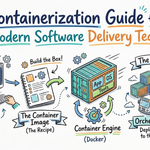
| Containerization | Image optimization, runtime security, orchestration | Docker, Kubernetes, Podman |
| Observability | Log aggregation, metric collection, distributed tracing | Prometheus, Grafana, ELK Stack |
Where DevOpsIQ Fits In
Individual expertise creates a strong foundation, but companies must also optimize the collective velocity of their entire software organization. This core corporate requirement highlights the value of DevOpsIQ, an advanced engineering intelligence system. This tool moves the corporate focus beyond individual developer education into objective, aggregate performance analytics.
By pulling data directly from version control systems and active project trackers, it builds an unbiased performance telemetry stream. Management completely eliminates reliance on vague status updates or gut instincts when tracking release delays. Instead, this metrics layer gives engineering directors complete visibility into software pipeline delivery speed and team performance.
What DevOpsIQ Measures
This analytical platform captures specific, high-impact indicators that separate elite software teams from low-performing ones. It tracks how often code hits production, how frequently changes fail, and how long systems take to recover from unexpected outages. Examining these exact metrics allows leadership to identify and dismantle systemic blocks within the engineering lifecycle.
Furthermore, the system tracks individual pipeline stages to highlight sluggish automated test suites that hold back deployment cycles. It monitors repository code churn and branch stability to evaluate the cognitive load hitting the development group. This comprehensive data pool enables businesses to execute highly targeted optimizations that instantly boost release velocity.
Why Timelines Matter in Engineering Intelligence
Isolate data snapshots paint a highly inaccurate picture of an engineering team’s true developmental trajectory. Tracking historical timelines provides critical perspective by showing whether team execution metrics are actively improving or sliding backwards over quarters. For example, a steady increase in deployment failure rates over three months reveals a buildup of technical debt.
Additionally, chronological data views allow corporate executives to measure the explicit financial return on engineering training programs. Comparing team performance before and after platform integration proves the business value of upskilling initiatives. Timeline analysis turns raw data entries into an actionable map of ongoing corporate operational refinement.
BestDevOps for Individuals, DevOpsIQ for Teams, Stronger Together
Organizations generate massive competitive advantages when they pair individual talent upskilling with team-wide analytical tracking. While the learning portal teaches separate engineers advanced infrastructure practices, the metrics framework uncovers overarching pipeline inefficiencies. Combining these two capabilities creates an automated loop that speeds up product development across the whole enterprise.
When the analytics portal flags an abnormal failure spike in a specific cloud service, the learning hub delivers matching educational tracks. Consequently, developers eliminate their specific knowledge gaps without sitting through generalized, time-wasting corporate training lectures. This integrated workflow establishes a highly proactive, top-tier engineering unit capable of hitting any product target.
How BestDevOps Supports Modern Engineering Roles
- Release Engineers:
- Construct optimized deployment systems that remove slow, manual approvals from the release path.
- Integrate modern codebase management patterns to accommodate large teams working concurrently.
- Site Reliability Engineers (SREs):
- Build highly stable cloud backends using modern automated orchestration software engines.
- Establish tight system uptime guidelines backed by comprehensive, real-time monitoring graphs.
- Cloud Architects:
- Design scalable infrastructure templates using declarative, cloud-agnostic configuration scripts.
- Lower monthly infrastructure costs while maintaining peak system speeds and strict security baselines.
Why This Matters for Engineering Productivity
Maximizing developer productivity results in rapid software feature rollouts and exceptional user satisfaction ratings. When engineers understand their delivery stack completely, they spend significantly less time fixing broken development environments. Eradicating these repetitive daily frustrations elevates workplace morale and keeps elite software engineers from seeking external jobs.
Additionally, automating routine infrastructure chores allows creative developers to dedicate their complete attention to writing core business software. Automation removes human oversight errors, which drastically reduces late-night production crashes and frantic emergency patches. Highly efficient engineering systems ultimately provide companies with an unassailable advantage in any competitive market landscape.
A Practical Use Case, Learning and Measurement in One Flow
Consider a scaling technology firm that experiences constant service crashes during its regular weekend product rollouts. The engineering VP hooks up the intelligence dashboard to scan the company’s deployment pipelines over the trailing ninety days. The data exposes a glaring reality: container setup errors cause seventy percent of all release crashes.
To fix this vulnerability immediately, the VP assigns focused container deployment roadmaps from the educational portal. The engineering staff masters the practical lessons and updates the company’s cluster scripts using proven code templates. Within less than a month, the telemetry framework records a massive ninety percent drop in deployment failures.
What Makes BestDevOps Different
Most online technical training portals offer little more than fragmented video playlists that lack clear pedagogical direction. On the contrary, this platform supplies a fully integrated, opinionated learning flow crafted by elite cloud architects. It skips basic, surface-level definitions, focusing instead on production realities, complex infrastructure traps, and actual enterprise edge cases.
Furthermore, fusing structural engineer training directly with team analytics concepts sets this portal entirely apart from basic course platforms. It treats technical skill acquisition not as a standalone luxury, but as a core engine of corporate output. This unified focus guarantees that every study hour logged directly translates into better production system stability.
Frequently Asked Questions About BestDevOps
- What primary operational obstacle does the BestDevOps platform resolve?
It delivers sequential, production-grade training paths that enable software professionals to master cloud orchestration and automated deployment workflows.
- Which technology professionals get the highest value from using this ecosystem?
Junior developers looking to learn automation and senior operations architects seeking advanced structural blueprints both gain immense value.
- Does the lesson plan emphasize abstract theory or actual hands-on coding?
The instructional modules focus heavily on hands-on, project-based engineering labs to foster genuine troubleshooting skills and build portfolio entries.
- How does the DevOpsIQ analytics framework help an enterprise?
It functions as an engineering intelligence utility that quantifies team delivery speed, deployment success rates, and workflow bottlenecks.
- Why should tech companies analyze engineering telemetry over long timelines?
Reviewing metrics chronologically highlights long-term efficiency patterns, allowing managers to track technical debt and measure training investments.
- Can these specific training modules assist me with clearing professional exams?
Yes, the comprehensive technical content aligns with major industry certifications, providing the deep knowledge required to clear tough practical tests.
- How does this platform help teams reduce production server failures?
By teaching industry-standard cloud automation and code habits, it helps software teams systematically eliminate manual configuration errors.
- Are there complex modules tailored for veteran infrastructure architects?
Yes, the course index includes advanced enterprise concepts like large-scale cluster management, service mesh routing, and observability architecture.
- In what way do individual tutorials connect with group analytics?
Group analytics highlight specific operational performance drops, and the educational library suggests exact training tracks to fix those gaps.
- Do I need a deep programming background before enrolling?
While foundational computer literacy helps, the step-by-step tracks guide engineers smoothly from basic concepts to complex cloud automation.
Final Thoughts
Committing to structured automation pathways and transparent team analytics remains mandatory for businesses navigating the modern cloud sector. Companies that ignore these foundational deployment methodologies will fall behind more agile, data-driven software corporations. Investing heavily in developer upskilling and pipeline telemetry represents the most secure route to sustainable technical longevity.
Ultimately, establishing an elite software department requires combining deep individual knowledge with absolute workflow visibility. Leveraging top-tier training hubs alongside advanced engineering intelligence platforms allows organizations to maximize their software engineering potential. Refresh your development processes starting today to secure a highly stable, scalable digital infrastructure.



Leave a Reply
You must be logged in to post a comment.